George Knapp: UFO Reporter, Bob Lazar, Area 51, and Skinwalker Ranch
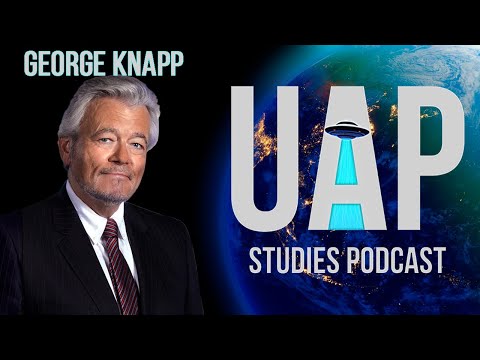
George Knapp is one of the most important journalists in modern UFO history.
He did not invent the Area 51 mystery.
He gave it a camera, a name, and a prime-time audience.
His 1989 interviews with Bob Lazar helped turn a hidden Nevada test range into the most famous secret base on Earth.
Knapp later reported on Skinwalker Ranch, Robert Bigelow's investigations, government UAP programs, Navy encounters, and whistleblower claims.
For alien researchers, he became more than a local Las Vegas reporter.
He became a bridge between witnesses, classified-world rumors, and the public.
Who Is George Knapp?
George Knapp is an investigative journalist based in Las Vegas, Nevada.
He joined KLAS-TV in 1981 and became closely associated with the station's investigative work.
His career covers far more than UFOs.
Knapp has reported on organized crime, political corruption, water, environmental issues, government secrecy, and criminal investigations.
That mainstream career matters.
When Knapp entered UFO reporting, he did so with the habits of a television journalist: interviews, records, locations, timelines, and sources.
He was not treating aliens as a joke.
He treated the story as something that could be investigated.
The Bob Lazar Story
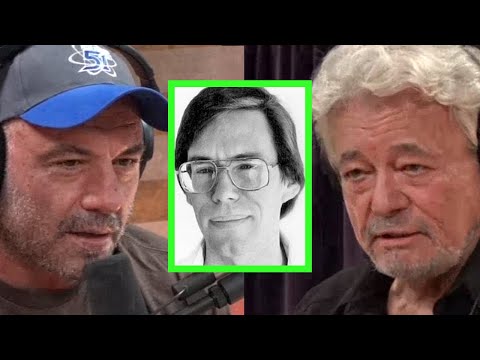
Knapp's UFO reputation began with Bob Lazar.
In 1989, Lazar told KLAS that he had worked on alien technology near Area 51.
He said the work took place at a facility called S-4, near Papoose Lake.
He described nine recovered craft.
He also described a propulsion system tied to gravity, antimatter, and an element later known publicly as Element 115.
The first televised interview hid Lazar's face and used the name “Dennis.”
Lazar later appeared openly.
That decision changed UFO culture forever.
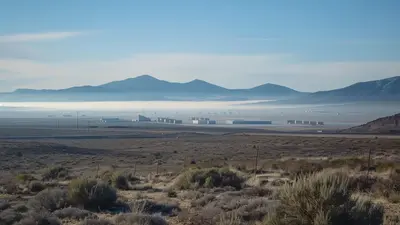
Area 51 had been known in aviation and defense circles, but the Lazar interviews gave it a new identity.
It became the place where the public imagined alien hardware might be hidden.
Why Knapp's Lazar Reporting Mattered
Knapp did not simply broadcast Lazar's story and walk away.
He looked for records, contacts, and signs that Lazar had moved through the places he described.
He found material connecting Lazar to Los Alamos, including a phone directory listing and a newspaper item.
Those details did not settle the entire claim.
They did make the story harder to dismiss as a simple overnight invention.
Knapp's reporting turned Lazar into a lasting figure in UFO history.
Even people who argue about Lazar's background usually argue inside a world Knapp helped create.
Area 51 Before It Was a Global Myth
Part of Knapp's importance is geography.
He was working in Las Vegas, close to Nevada's military test ranges and desert aerospace culture.
That region already had classified aircraft, restricted airspace, defense contractors, and people who knew how secrecy worked.
Area 51 was not just a fantasy backdrop.
It was part of a real classified landscape.
Knapp understood that setting.
His reporting made the public wonder whether unknown aircraft, black-budget programs, and alien rumors might be tangled together in the Nevada desert.
Robert Bigelow and NIDS
Knapp's UFO work later connected him with businessman Robert Bigelow.
Bigelow funded serious investigations into UFOs, anomalous events, and frontier science.
His National Institute for Discovery Science, known as NIDS, brought together scientists, investigators, and former intelligence figures.
Knapp reported on that world closely.
He became one of the journalists most familiar with the strange overlap between private aerospace money, government interest, and paranormal claims.
That overlap would become central to the next phase of UFO history.
Skinwalker Ranch
Skinwalker Ranch became another major Knapp subject.
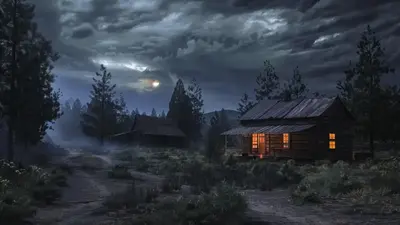
The Utah property was associated with strange lights, animal mutilations, shadowy creatures, poltergeist-like activity, and UFO sightings.
Knapp coauthored Hunt for the Skinwalker with Colm Kelleher.
The book helped make the ranch famous far beyond Utah.
It also changed the tone of UFO investigation.
The story was not only about lights in the sky.
It was about a location where different kinds of anomalies seemed to cluster.
That idea became influential in later UAP research, especially among people connected with Bigelow's projects.
AAWSAP, AATIP, and the Pentagon Connection
Knapp later reported on government programs connected to UAP investigation.
The most important names are AAWSAP and AATIP.
AAWSAP, the Advanced Aerospace Weapon System Applications Program, was a Defense Intelligence Agency effort funded in the late 2000s.
Bigelow Aerospace Advanced Space Studies received the contract.
The program examined advanced aerospace threats, UAP reports, and unusual cases linked by some participants to Skinwalker Ranch.
AATIP became the better-known name after the 2017 wave of public reporting about Pentagon UFO work.
Knapp's long relationship with Bigelow-world sources gave him a front-row seat to that history.
For readers following disclosure, this was a turning point.
UFOs were no longer only a civilian obsession.
They were tied to contracts, agencies, pilots, and classified briefings.
The 2017 UFO Shift
The 2017 New York Times reporting on Pentagon UFO programs changed the public landscape.
Military videos, pilot testimony, and government acknowledgments pushed UAP into mainstream news.
Knapp had been covering related threads for decades by then.
That made his archive suddenly feel current again.
The Lazar story, Skinwalker Ranch, Bigelow's research, and Pentagon interest no longer looked like isolated tales.
They looked like chapters in a longer pattern.
Knapp's role was to keep those chapters connected.
Weaponized and Jeremy Corbell
Knapp now works with filmmaker Jeremy Corbell on the podcast Weaponized.
The show covers UAP cases, whistleblowers, military witnesses, leaked imagery, government statements, and the politics of disclosure.
Corbell brings a modern documentary style.
Knapp brings decades of sources and memory.
Together, they have become a major voice in the current UFO media ecosystem.
Their work often sits close to developing stories.
That gives the show energy, but it also means readers should track each case on its own facts.
Why Witnesses Talk to Knapp
One of Knapp's biggest strengths is trust.
People with strange stories often fear being mocked, ignored, or professionally damaged.
Knapp built a reputation for letting witnesses speak seriously.
That matters in UFO reporting.
If pilots, contractors, officers, or insiders believe a reporter will treat them as a circus act, they stay silent.
Knapp created a lane where they could talk.
That does not make every account complete.
It does explain why so many major UFO stories pass through him.
How Knapp Changed UFO Journalism
Before Knapp, many TV newsrooms treated UFO stories as soft features or comic relief.
Knapp used a different approach.
He treated UFO witnesses as sources.
He treated secret bases as real places.
He treated documents, contracts, and military culture as part of the story.
That approach helped make later UAP journalism possible.
When national outlets began covering Pentagon UFO programs, Knapp had already spent decades mapping the terrain.
George Knapp's Lasting Impact
George Knapp helped make UFO reporting harder to laugh away.
He brought Area 51 into public imagination.
He helped turn Bob Lazar into a permanent figure in alien lore.
He introduced millions of readers to Skinwalker Ranch.
He tracked the Bigelow network before most people knew why it mattered.
And he helped connect older UFO stories with the modern UAP disclosure movement.
For anyone studying aliens, secret programs, and government knowledge, Knapp remains a central figure.
His career shows what happens when a journalist keeps following the same strange thread for decades.
Recommended